Composition
The face leads. One subject per frame, the eyes in the upper third, and nothing in the background brighter than the person talking.
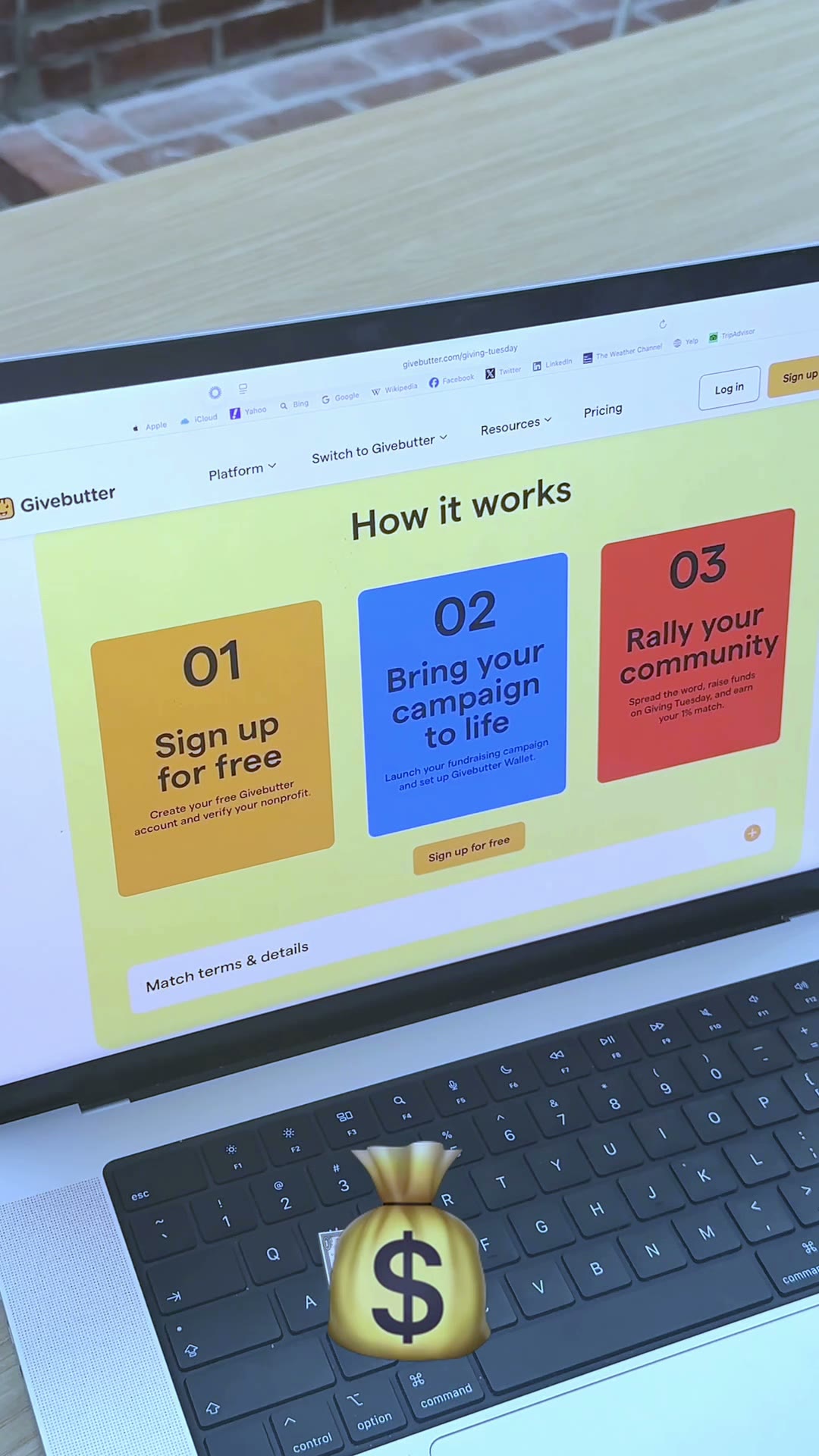
The manifest.
A video lands with the person watching it, or it doesn’t, and no checklist can tell you which. So I don’t start from settings, presets or what other creators do. I start from the most basic true thing: a person on a phone, deciding in a second whether to keep watching.
Strip a problem down to what is actually happening to the viewer’s eyes and ears, ignore the readings that only describe it, and build the fix up from there. It takes longer to think and less time to get right.
Every design choice starts from the same question: what does the viewer’s eye do in this second? The answer decides the frame, the color, the type and the cut.
The face leads. One subject per frame, the eyes in the upper third, and nothing in the background brighter than the person talking.
One room, one moment. A cool, natural daylight look across every clip, so a cut never reads as a jump in time. Brand screens keep their own colors.
Text enters on its word and holds to the end of the thought. Lines the same size, close together, clear of the face. If it doesn’t carry the idea, it goes.
Emphasis is a cut on a word, never a slow drift. Screens stay steady and freeze when the scroll is done.
A new picture every couple of seconds, pauses trimmed to a breath, and a held beat only where the story needs one.
The voice is the design. Every word clear, silent gaps, no effects the viewer didn’t need to hear.
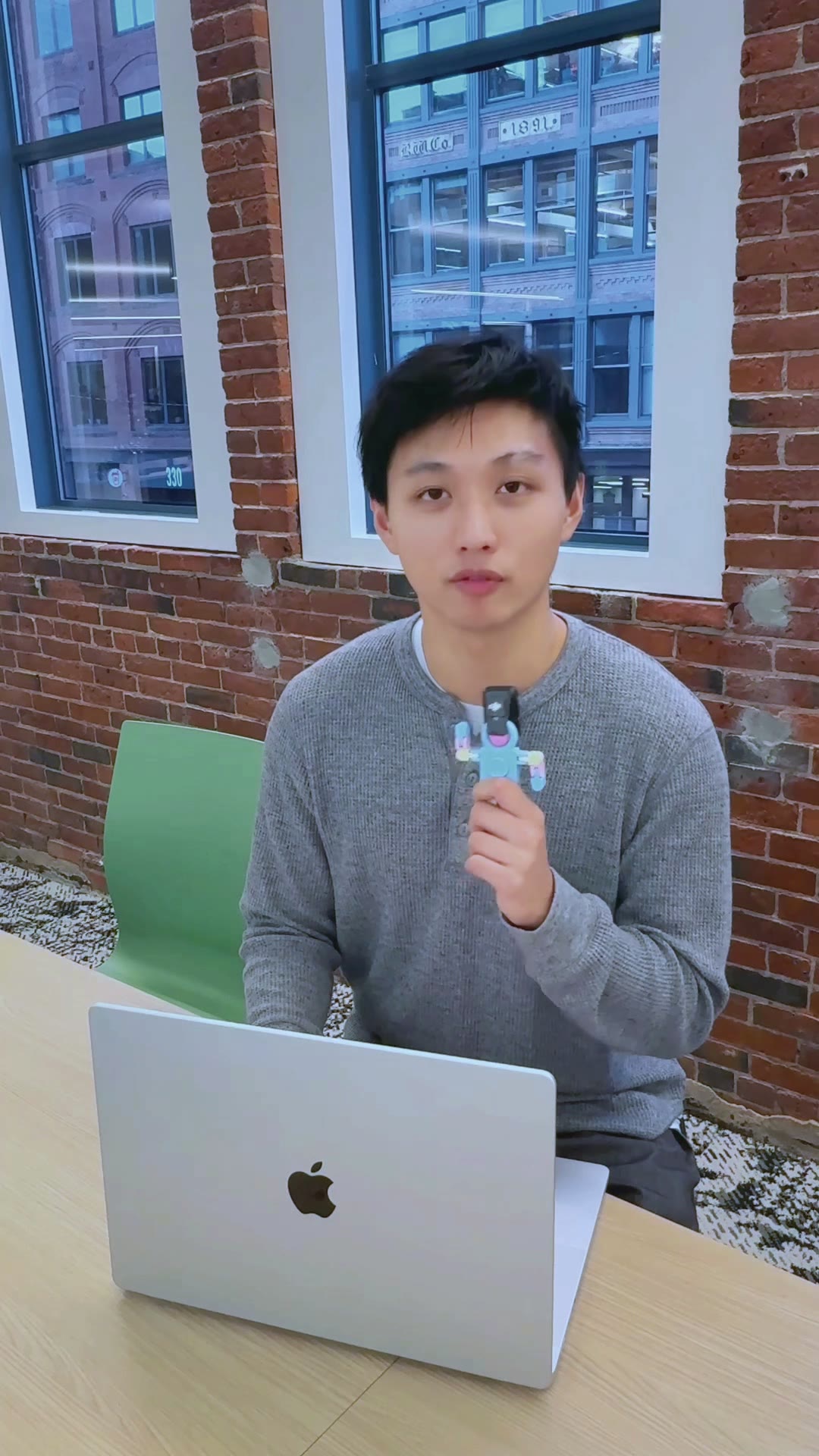
“It’s not about the numbers of the sound or lighting. It’s the first principles of the outcome.”
My Claude skillsNot “−14 LUFS” or “white balance 5600K.” Instead: “the line should clearly say ‘contributes their own one percent,’ in my natural voice, with no thump.” If I can’t say it in a sentence a viewer would agree with, I don’t know what I’m fixing yet.
Is the pop inside a vowel? Was the room lit by a yellow lamp on one side? Did I lean into the mic? The cause lives in the recording, not in the meter. I find it by watching and listening at full size, at normal speed, on headphones.
A pop inside a word can’t be scrubbed out without hurting the word, so the honest fixes are a re-record or the same word from another take. A slow zoom that looks like wobble isn’t tuned slower; it becomes a cut.
Phone in hand, sound on, once through without stopping. Is every word clear and natural? Does the seam call attention to itself? A reading can point me to a problem. It never tells me the problem is gone.
Sometimes the right answer is “this line needs a new take.” I’d rather re-record twelve seconds than ship something slightly off with a good number next to it.
You should forget it was edited. A thump on a “p,” a frame creeping in, a face that changes color at a cut: each one reminds you it’s an ad.
“not just a number consistency, but a feel and view consistency”
A note is about a moment. “2%” means a 2% change you can see, at the word named, in the file that was watched. Every word comes out exactly as I said it.
“make the cut happen right before the word ‘without’”
Cool daylight, true skin, silent gaps. Skin is never orange. Punch-ins are cuts on a word, never slow drifts. Screens never shake.
“less yellow lighting in the background”
When a line can’t sound natural after repair, I don’t ship it with a good-looking number next to it. I re-record it. My ears and eyes decide, and so do yours.